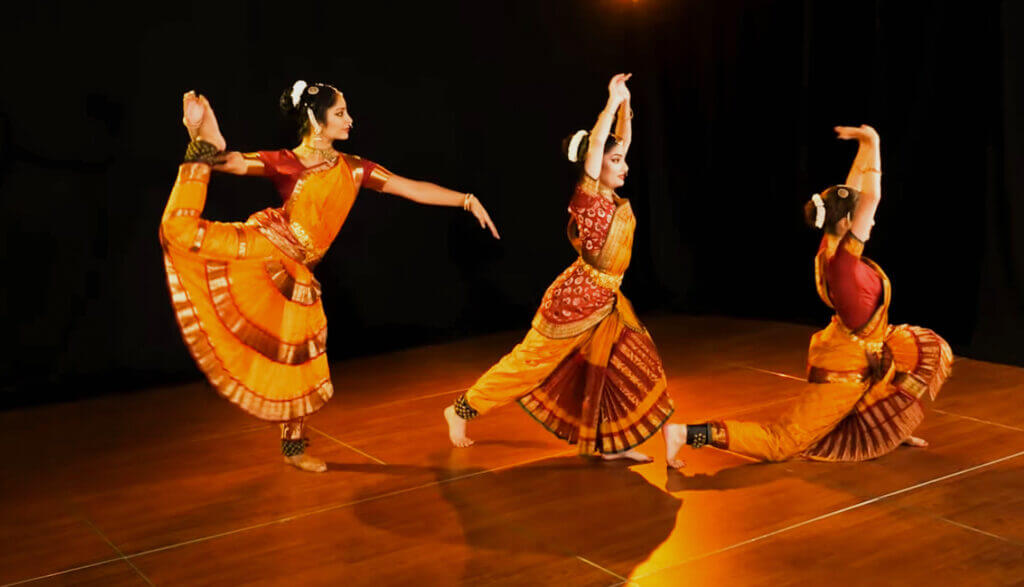
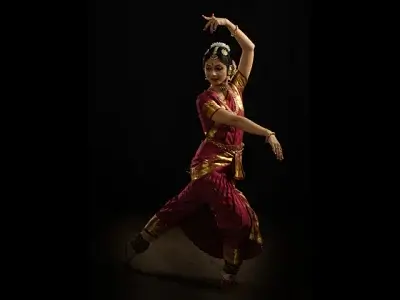
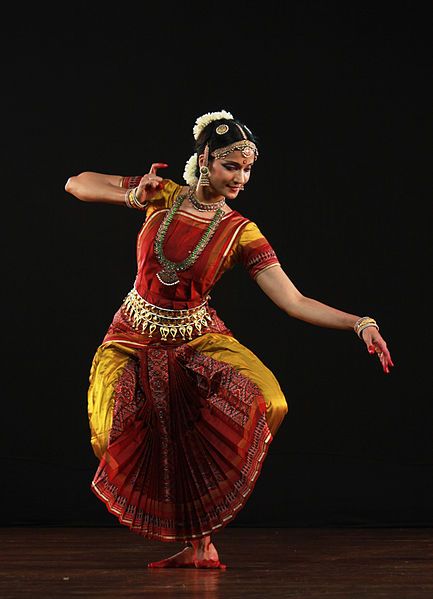
India is renowned for having a deep cultural heritage. In India, performing arts like classical dance are deeply ingrained. Essentially, every classical dance is a prayer to God. This immortal artwork was created by none other than “Shiva,” the dancing God. The roots of all dance styles are the same, despite the fact that they originated in various places. The Sanskrit text “Natya Shastra” is where the origins can be found. Yoga-based concentration is the only way to master the precise hand gestures, postures, and movements of Indian traditional dance. On the other hand, yoga practice benefits from the beauty, symmetry, and dynamism of dance.
Demonstrate dance movement with anga, pratyanga and upanga with anatomical study and special reference to Patanjali Yoga Sutra
Demonstrate and learn Sanskrit, ancient texts in relation with yogic principles
The usage of technical terms with general terminologies such as movements of different parts of the body as to inculcate with tradition and sanctity of act
Physical, mental and spiritual approach with the scientific base with musical concepts
Promote as performers and train teachers
Plan, design and adopt appropriate teaching, learning strategies based on science, arts and literature and cognition level of school students
Performing art, teaching experience as a cultural promoter in school levels
Highlights
Dance for holistic health
Reach to urbanization with value addition dance education
Unique, innovative and leads to interdisciplinary and intradisciplinary curriculum
Practical and theory-based teaching to promote students with high learning strategies
Kinetic movements with spiritual ashtanga yoga as a therapeutic movement for holistic health
Production of performing art researches which extend with dance, music, sculpture, painting, temple architecture for researchers and professional dance teachers