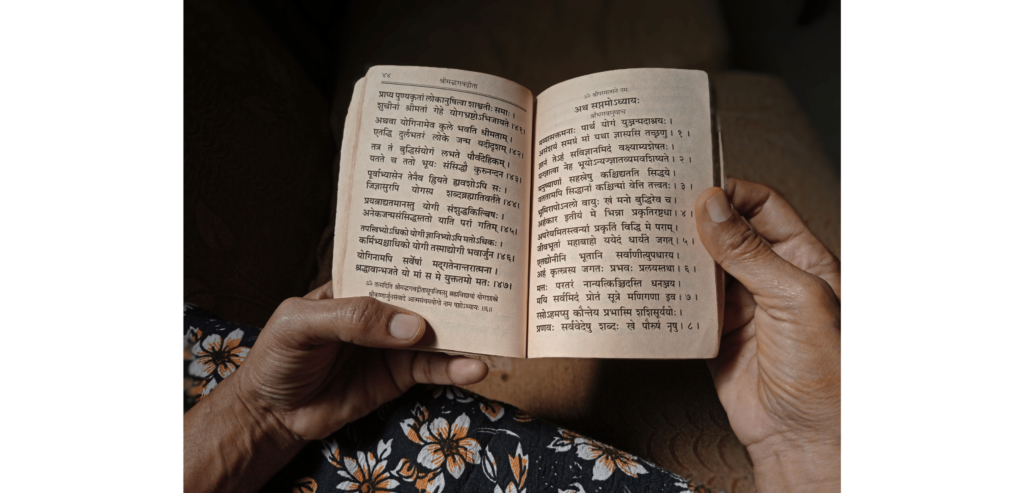
Sanskrit is an ancient language of India and a source of later languages & literature across the world. The first-ever book of the world, Rigveda, was compiled in Sanskrit. The body of Sanskrit literature encompasses a rich tradition of poetry and drama as well as scientific, technical, philosophical, and religious texts. Most transmissions of knowledge were oral and as gurukul systems and the guru-shishya tradition collapsed, that knowledge has been irretrievably lost,
which includes many branches (shakhas) of sacred texts (shastras), Vedas and Vedangas
included. Sanskrit continues to be widely used as a ceremonial language in Hindu
religious rituals and Buddhist practices in the form of hymns and chants.
Share The Course On:
By the end of the course, the participant should know the following:
Create an appreciation of the unique features of Sanskrit as a language
Understand the foundations of its grammatical structure theoretically and through the application of some of its simple noun and verb forms
Acquire the confidence that it is not a difficult language to speak, read and write
Memorise some verses that impart instructions on leading a better life
Introduce certain gems of Sanskrit literature in different disciplines
Have conceptual clarity on certain key ideas of the Indian worldview and culture
Become familiar with the applied aspects of Yoga Psychology through simple examples to help them lead effective and purposeful lives
Highlights
Give a taste of the multiple dimensions of Sanskrit as a language
Promote this ancient language as a contemporary living spoken language
Kindle and nurture a genuine appreciation for the language and its culture
Support students studying Sanskrit worldwide by proposing tips to get a grasp of this complex yet ‘mathematical’ language
Provide a basic foundation of Sanskrit for yoga practitioners to enable them to engage with the original texts and offer a platform for active engagement on topics related to Sanskrit and Indian Culture